
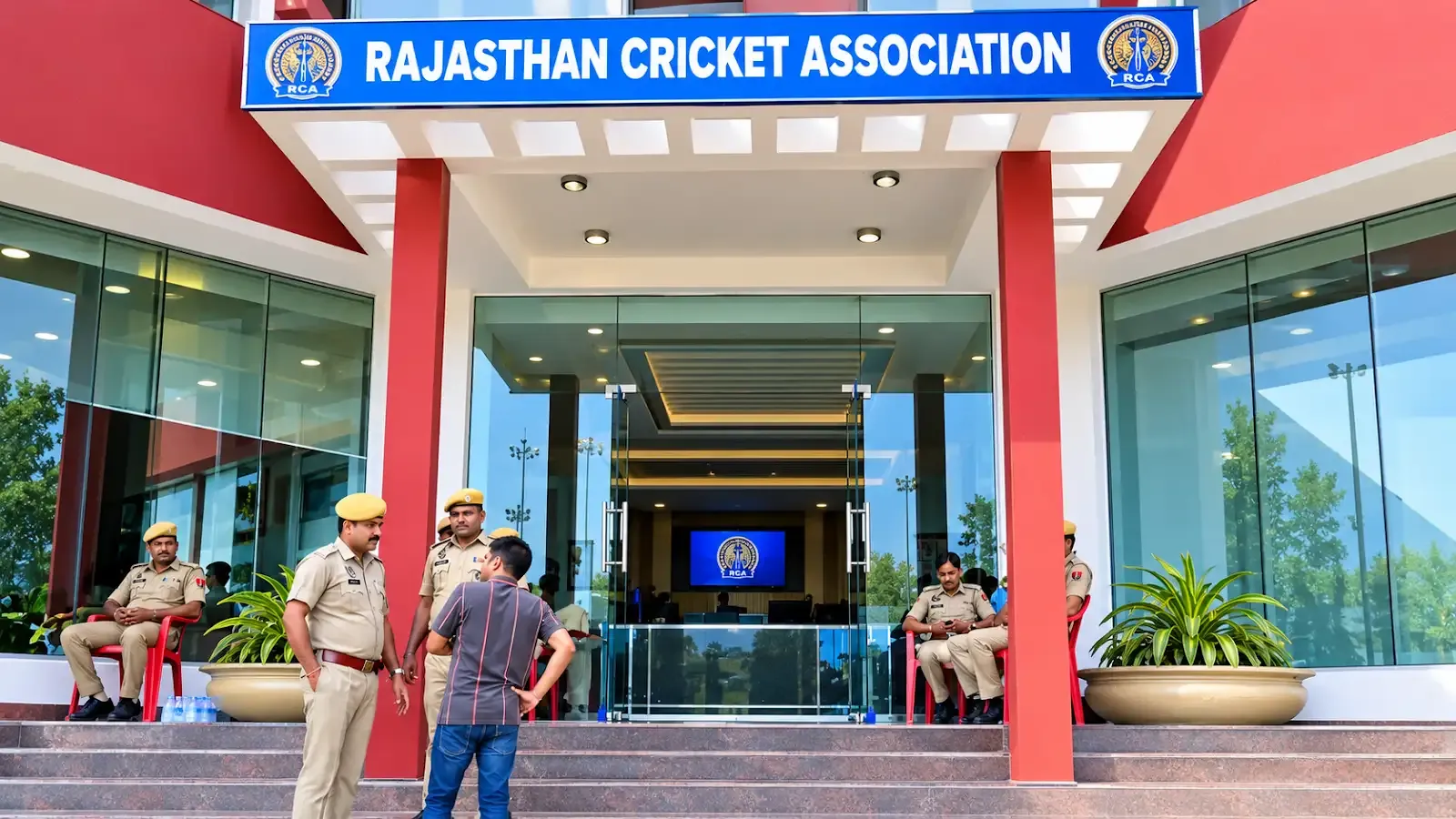
The Rajasthan Cricket Association (RCA) elections have laid bare the political and organizational dynamics at play in the state's sports administration. In the tussle for power within the cricket association, Brijkishore Upadhyay's panel, considered to be the party's backer, prevailed, while the candidates contesting under Dhananjay Singh Khinvsar, son of Health Minister Gajendra Singh Khinvsar, refused to withdraw.
Parakram Singh Rathore, son of former minister and senior BJP leader Rajendra Singh Rathore, withdrew his nomination and supported Brijkishore Upadhyay. Pawan Dilawar, son of Education Minister Madan Dilawar, also withdrew his candidacy. Despite this, Dhananjay Khinvsar, Ashish Tiwari, son of Rajya Sabha MP Ghanshyam Tiwari, and Mohit Yadav, son of BJP MLA Jaswant Yadav, remained in the electoral contest.
This development has sparked discussions within the BJP about organizational decisions, personal political ambitions, and influence in cricket administration. However, a candidate's withdrawal or continuation of the nomination is not in itself evidence of government interference. The candidates' public statements and election documents are crucial to understanding this entire issue.
Challenges Facing the Panel Backed by the Organization -The names of Dhananjay Singh Khinvsar, Parakram Singh Rathore, and Brijkishore Upadhyay initially emerged for the RCA President's post. All three had their own supporters and organizational connections.

On September 28th, the last day for withdrawal of nominations, Parakram Singh Rathore withdrew his nomination. Following this, the contest for the President's post remained between Dhananjay Khinvsar and Brijkishore Upadhyay. Political discussions considered Brijkishore Upadhyay to be the candidate with the support of the organization. On the other hand, candidates associated with influential political families, such as Ashish Tiwari and Mohit Yadav, remained in the fray alongside Dhananjay Khinvsar.
These developments raised the question of whether the final decision in the cricket association elections would be based on the strategy of the voters and candidates of the district cricket associations, or whether organizational consensus would also play a decisive role.
Parakram Rathore called the decision a mutual decision-Parakram Singh Rathore withdrew his nomination and decided to withdraw from the fray in support of Brijkishore Upadhyay. Callin
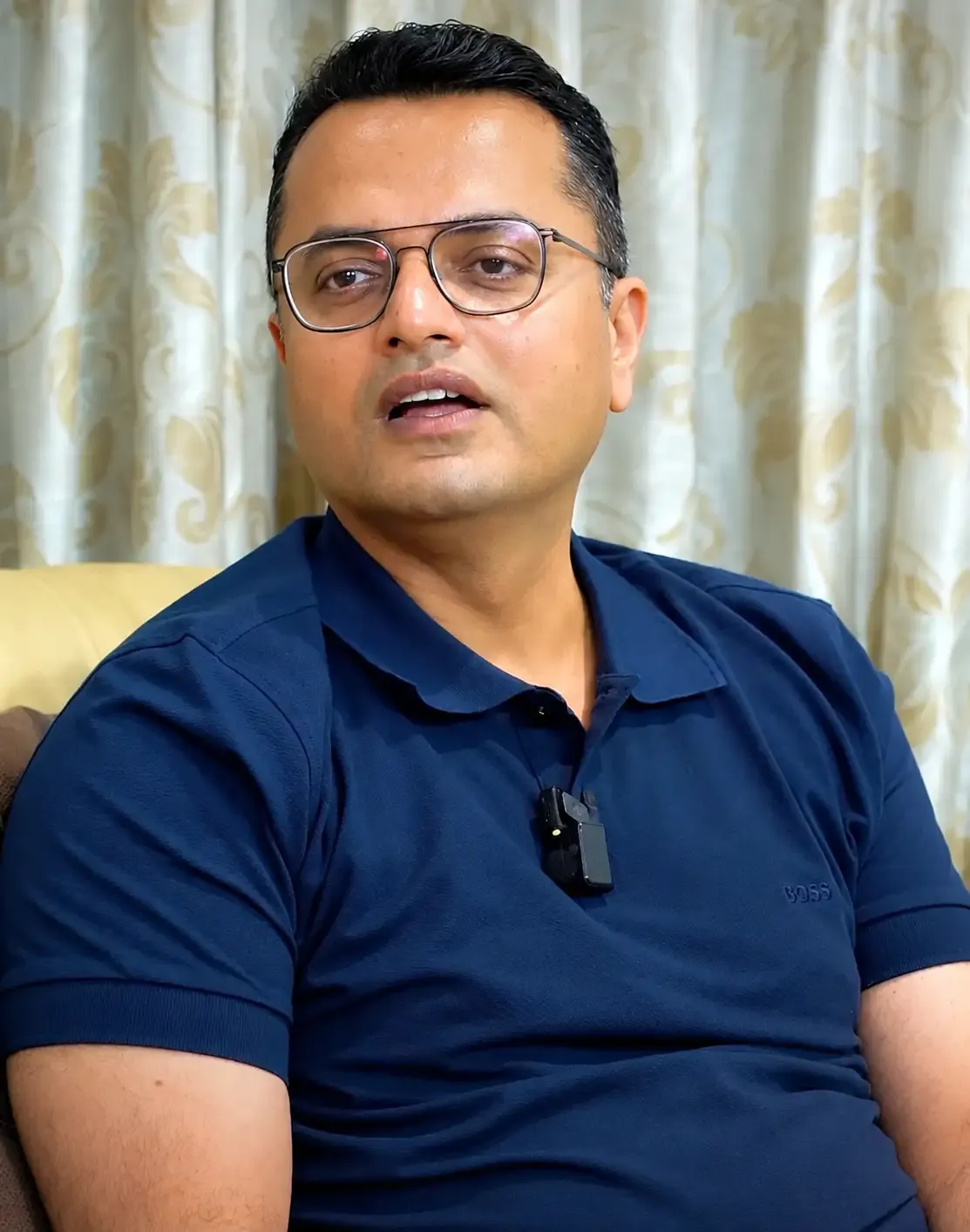
g Upadhyay his brother, he said that the two have worked together since the early days of cricket. Rathore attributed his decision to party directives and mutual consent. His move limited the contest for the post of president to two candidates. Politically, this decision was seen as a message of organizational unity.On the other hand, the continued presence of Dhananjay Khinvsar and his associates also made it clear that not all contenders had reached a consensus.

This fueled discussions in political circles that despite efforts to build consensus at the organizational level, some candidates persisted in their candidacies. This development was also seen as a strategy by different support groups within the BJP.However, it would not be appropriate to directly label candidates' continued participation as a rebellion against the party leadership unless there are clear statements from the respective candidates or official documents confirming this conclusion.
Voting on September 29th, Supreme Court Stays Results-Meanwhile, hearing a petition filed by former women's cricketer Megha Gaur, the Supreme Court refused to impose a complete stay on the election process but directed that the results not be declared.
Taking serious note of questions related to women's representation and the electoral process, the court made arrangements for the safekeeping of ballot papers and the sealing of the results. The petition raised the issue of the absence of women voters and women candidates from the electoral voter list. Furthermore, disputes regarding the eligibility and voting rights of some district cricket associations were also impacting the electoral process. Following this order, voting took place, but the vote count and the final selection of office bearers could not be officially announced.
From an Ad Hoc Committee to Elections: A Long History of Controversies-The RCA has long been embroiled in controversy over the formation of a regularly elected executive committee. After former president Vaibhav Gehlot stepped down, the RCA operated through an ad hoc system. Delays in the election process and administrative mismanagement also raised questions.
The election process moved forward after the Rajasthan High Court intervened in July 2026. The election schedule was subsequently finalized for September, but disputes over women's representation and the voter list once again created legal hurdles. This entire process demonstrated that holding elections in a sports body is not limited to voting. The validity of elections, voter lists, representation, and adherence to rules are equally important.
Debate on Political Influence in Cricket Administration-The presence of candidates from several prominent political families in the RCA elections has intensified the debate over political influence and nepotism in sports administration. One side withdrew its nominations based on organizational consensus, while the other side's candidates remained in the fray.
This development raises the question: what should be the basis for selecting office bearers in cricket associations—organizational alignment, political connections, support from district associations, or a plan of action for cricket development?
The answer to this question will lie not in mere election rhetoric, but in the performance of the elected office bearers. The true responsibility of any executive is to provide players with regular competitions, a transparent selection process, adequate opportunities for women's cricket, improved facilities at the district level, and financial accountability.
Amidst political dynamics, cricket's interests are paramount-The Rajasthan Cricket Association elections in 2026 were in the news due to withdrawals of nominations, attempts to reach an organizational consensus, challenges from candidates associated with political families, and judicial intervention.
The withdrawal of Parakram Singh Rathore and Pawan Dilawar altered the electoral dynamics, but the contest continued with Dhananjay Khinvsar and his affiliated candidates remaining in the fray. After the September 29th vote, a Supreme Court order halted the announcement of the results, leaving the status of the new executive committee unclear.
The future of the elections now depends on the judicial process and official decisions. Players, district associations, and sports enthusiasts associated with Rajasthan cricket expect a speedy resolution of the dispute and the cricket administration to move beyond political tussles and focus on providing opportunities to talent, expanding facilities, and establishing transparency in the sport.


